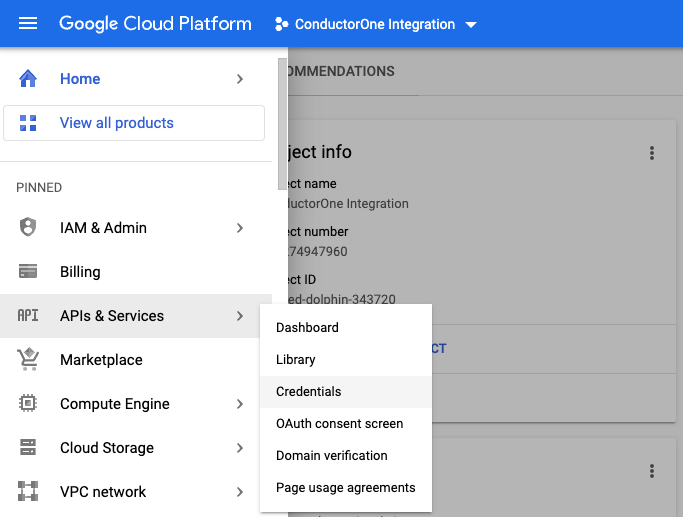
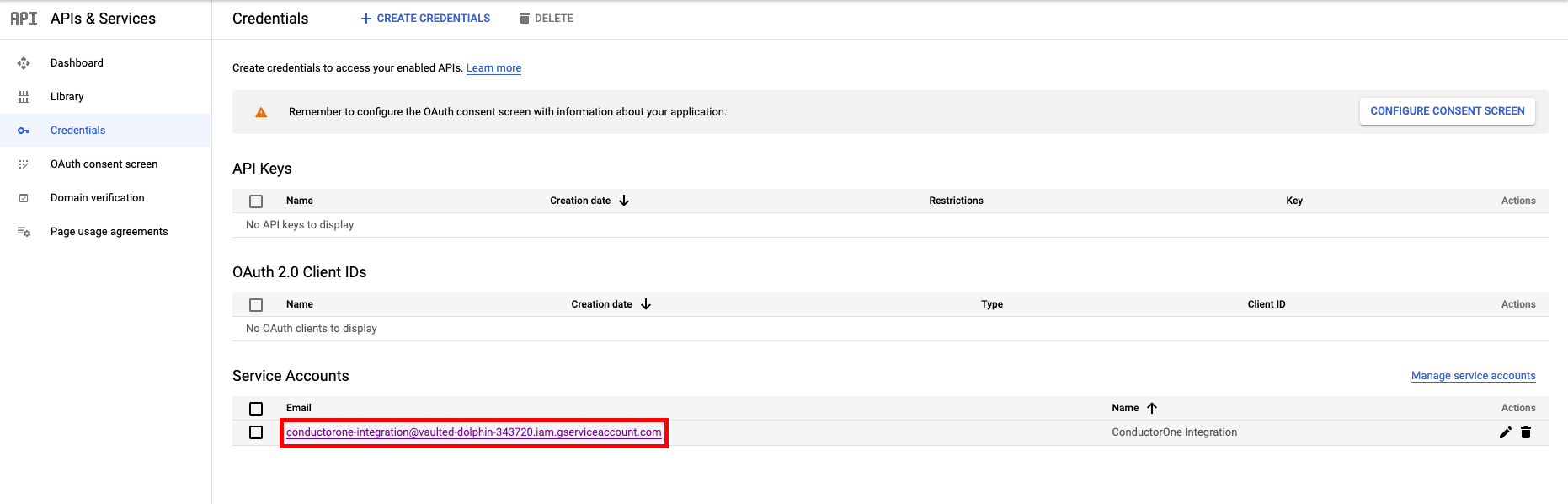
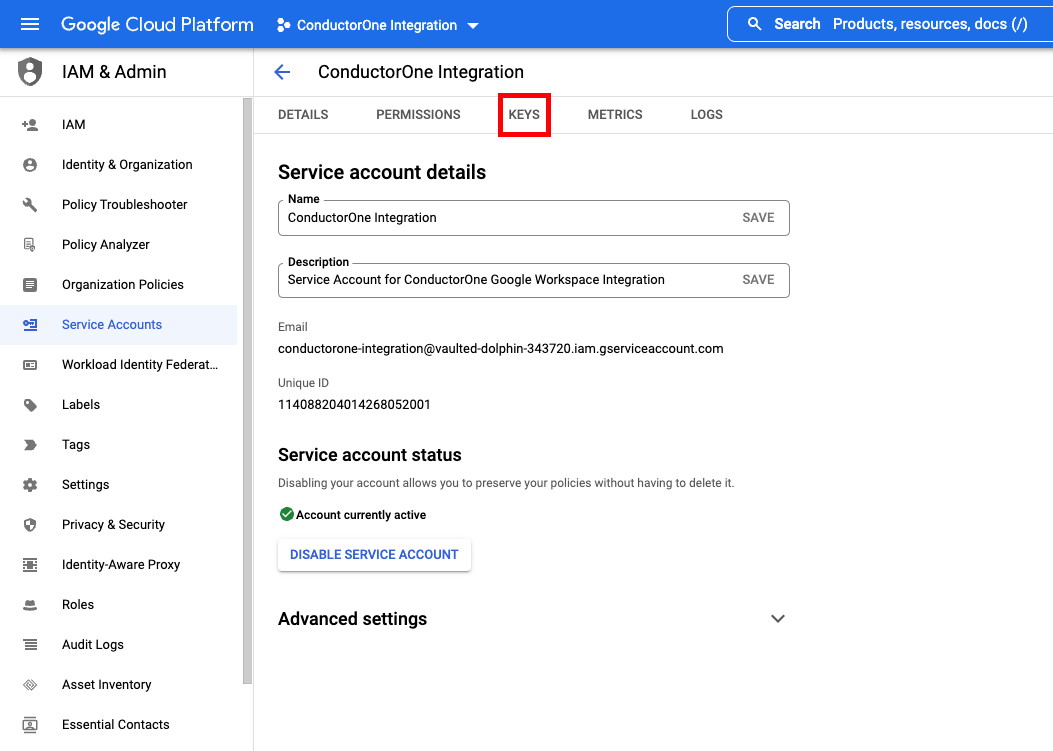
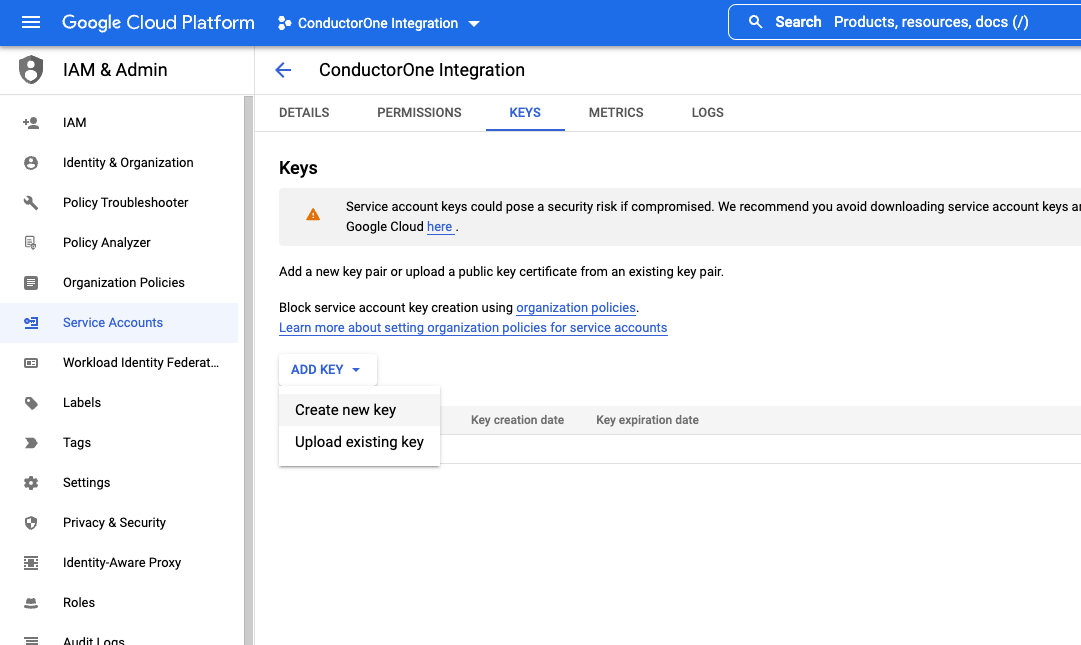
ConductorOne provides identity governance for Google Identity Platform. Integrate your Google Identity Platform instance with ConductorOne to run user access reviews (UARs) and enable just-in-time access requests.
The Connector Administrator or Super Administrator role in ConductorOne
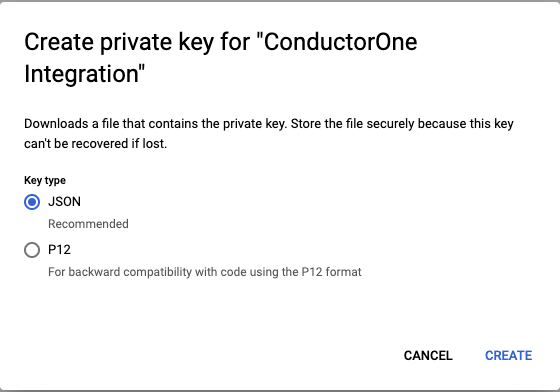
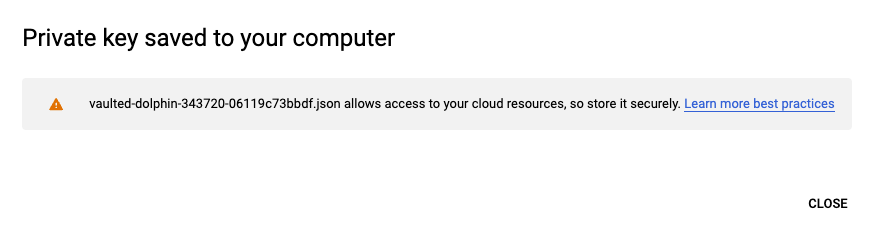
Access to the set of Google Identity Platform credentials generated by following the instructions above
Cloud-hosted
Self-hosted
Follow these instructions to use a built-in, no-code connector hosted by ConductorOne.
1
In ConductorOne, navigate to Admin > Connectors and click Add connector.
2
Search for Google Identity Platform and click Add.
3
Choose how to set up the new Google Identity Platform connector:
Add the connector to a currently unmanaged app (select from the list of apps that were discovered in your identity, SSO, or federation provider that aren’t yet managed with ConductorOne)
Add the connector to a managed app (select from the list of existing managed apps)
Create a new managed app
4
Set the owner for this connector. You can manage the connector yourself, or choose someone else from the list of ConductorOne users. Setting multiple owners is allowed.If you choose someone else, ConductorOne will notify the new connector owner by email that their help is needed to complete the setup process.
5
Click Next.
6
Find the Settings area of the page and click Edit.
7
In the Credentials (JSON) area, click Choose file and upload the JSON file.
8
Click Save.
9
The connector’s label changes to Syncing, followed by Connected. You can view the logs to ensure that information is syncing.
That’s it! Your Google Identity Platform connector is now pulling access data into ConductorOne.
Follow these instructions to use the Google Identity Platform connector, hosted and run in your own environment.When running in service mode on Kubernetes, a self-hosted connector maintains an ongoing connection with ConductorOne, automatically syncing and uploading data at regular intervals. This data is immediately available in the ConductorOne UI for access reviews and access requests.
Step 1: Set up a new Google Identity Platform connector
1
In ConductorOne, navigate to Connectors > Add connector.
2
Search for Baton and click Add.
3
Choose how to set up the new Google Identity Platform connector:
Add the connector to a currently unmanaged app (select from the list of apps that were discovered in your identity, SSO, or federation provider that aren’t yet managed with ConductorOne)
Add the connector to a managed app (select from the list of existing managed apps)
Create a new managed app
4
Set the owner for this connector. You can manage the connector yourself, or choose someone else from the list of ConductorOne users. Setting multiple owners is allowed.If you choose someone else, ConductorOne will notify the new connector owner by email that their help is needed to complete the setup process.
5
Click Next.
6
In the Settings area of the page, click Edit.
7
Click Rotate to generate a new Client ID and Secret.Carefully copy and save these credentials. We’ll use them in Step 2.
Base64 Encoding: Use echo -n "your-value" | base64 to encode your secrets,See the connector’s README or run --help to see all available configuration flags and environment variables.
Create a namespace in which to run ConductorOne connectors (if desired), then apply the secret config and deployment config files.
2
Check that the connector data uploaded correctly. In ConductorOne, click Applications. On the Managed apps tab, locate and click the name of the application you added the Google Identity Platform connector to. Google Identity Platform data should be found on the Entitlements and Accounts tabs.
That’s it! Your Google Identity Platform connector is now pulling access data into ConductorOne.